- Technology Insights Daily
- Posts
- Anthropic introduces Claude Opus 4.5 — programming capability surpasses Gemini 3 Pro
Anthropic introduces Claude Opus 4.5 — programming capability surpasses Gemini 3 Pro

Technology Insights Daily
December 03, 2025
Run ads IRL with AdQuick

With AdQuick, you can now easily plan, deploy and measure campaigns just as easily as digital ads, making them a no-brainer to add to your team’s toolbox.
You can learn more at www.AdQuick.com

Every morning, before the world gets noisy, I carve out a quiet moment with a cup of coffee and scan the tech landscape for the updates that truly matter. That small ritual inspired this newsletter — a place where I share the discoveries that excite me, surprise me, or make me rethink how technology shapes our lives. If you’re someone who loves staying ahead without drowning in information, you’re in the right place. Let’s explore today’s most meaningful stories together.

The new Claude Opus 4.5 from Anthropic is being positioned as a major leap forward — especially for coding and automated workflows. According to internal benchmark results (SWE-bench Verified), Opus 4.5 outperformed both Gemini 3 Pro and prior LLMs like GPT-5.1, demonstrating stronger bug detection, better code generation, and improved handling of complex, multi-step tasks such as spreadsheet automation and document generation. This marks a new wave in AI tools: rather than simply suggesting snippets, models like Opus 4.5 can act more like autonomous “code assistants,” capable of understanding fuzzy requirements, debugging, and integrating with tools developers use. For devs, enterprises, or even your own 3D-printing business pipeline, this could significantly reduce manual coding overhead and speed up prototyping or automation.
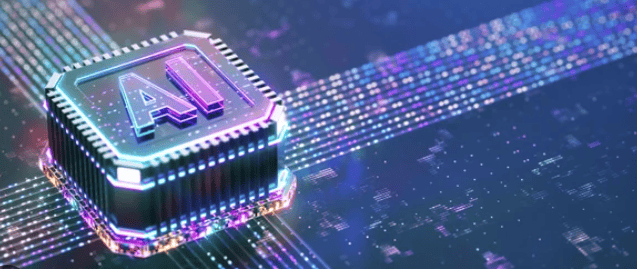
According to recent reports, Meta is evaluating using AI chips designed by Google in its data centers — potentially starting around 2027. That caused upheaval in investor sentiment: the market reacted swiftly and shares of Nvidia, currently the dominant supplier of AI GPUs, slid as much as 4% after the disclosure. The possibility of a major customer like Meta shifting to Google’s tensor processing units (TPUs) signals growing confidence in alternatives to Nvidia hardware — a shift that could reshape the AI infrastructure landscape. For the broader AI industry, this could lead to more pricing pressure, increased hardware competition, and potentially broader access to AI compute power beyond traditional GPU-based setups.

Recent market dynamics suggest that Apple may be closing in on Nvidia for the top spot in global market capitalization — a shift analysts partly credit to moves by Google. Google’s advances in AI and cloud infrastructure are pressuring traditional chipmakers, but they also seem to be buoying investor confidence in companies like Apple that are seen as less reliant on dedicated AI-hardware cycles. As Google reshapes the industry’s competitive balance, Apple’s diversified ecosystem and strong consumer hardware and services business appear increasingly attractive in a changing landscape. If this trend continues, we may soon see Apple reclaim its place as the world’s most valuable company, reflecting broader shifts in investor priorities beyond just raw AI compute power.
Apple Intelligence may soon expand to China? Official site lists a “Submit official complaint” form!

I couldn’t locate any reputable tech-news outlet or official statement from Apple verifying that “Apple Intelligence” is about to expand to China — nor any trace of a “Submit official complaint” form related to that on Apple’s publicly available site. Given the global sensitivity around AI regulation and privacy, such a move would likely draw notable coverage. The absence of verifiable sources suggests this claim may stem from speculative or localized reports, or misunderstandings. Until more concrete evidence — such as a formal press release, regulatory filing, or reputable media coverage — appears, it's best to treat this topic as unconfirmed.

Despite circulating claims that Singapore authorities have mandated Apple to alter iMessage by December to prevent scams, I found no trustworthy confirmation — no public statement from Singapore’s regulatory agencies nor mainstream media coverage. The idea is plausible, given rising concerns around phishing and scam messages worldwide, but absent official documentation or credible reporting, the claim remains speculative. It’s possible the story originates from social media or rumor forums, where partial facts and fears around security often amplify quickly without verification. Until a formal announcement from either government or Apple is published, or major tech media covers it, this remains an unverified rumor.
Thanks for reading today’s edition. Curating these insights feels like chatting with a friend who shares the same curiosity about how tech is changing our world. If today’s issue sparked a thought or made your day a little easier, I’d love your help growing this community: forward this email to someone who’d enjoy it, share it on your socials, or invite a friend to subscribe. Your support keeps me motivated to deliver even better insights tomorrow — and it helps keep TechnologyInsightsDaily free for everyone.