- Technology Insights Daily
- Posts
- Google Brings Gemini AI Features to Google TV at CES 2026
Google Brings Gemini AI Features to Google TV at CES 2026

Technology Insights Daily
January 16, 2026
In partnership with

Find out why 100K+ engineers read The Code twice a week

Staying behind on tech trends can be a career killer.
But let’s face it, no one has hours to spare every week trying to stay updated.
That’s why over 100,000 engineers at companies like Google, Meta, and Apple read The Code twice a week.
Here’s why it works:
No fluff, just signal – Learn the most important tech news delivered in just two short emails.
Supercharge your skills – Get access to top research papers and resources that give you an edge in the industry.
See the future first – Discover what’s next before it hits the mainstream, so you can lead, not follow.
This newsletter usually starts while my coffee is still hot. I skim the headlines, ignore the hype, and pause on the stories that quietly signal where technology is really heading. TechnologyInsightsDaily isn’t about chasing every update—it’s about understanding the ones that shape how we work, create, and live. Each issue is a snapshot of what caught my attention that day, and why I think it’s worth yours too. If you value clarity over noise, you’re in the right place.
/
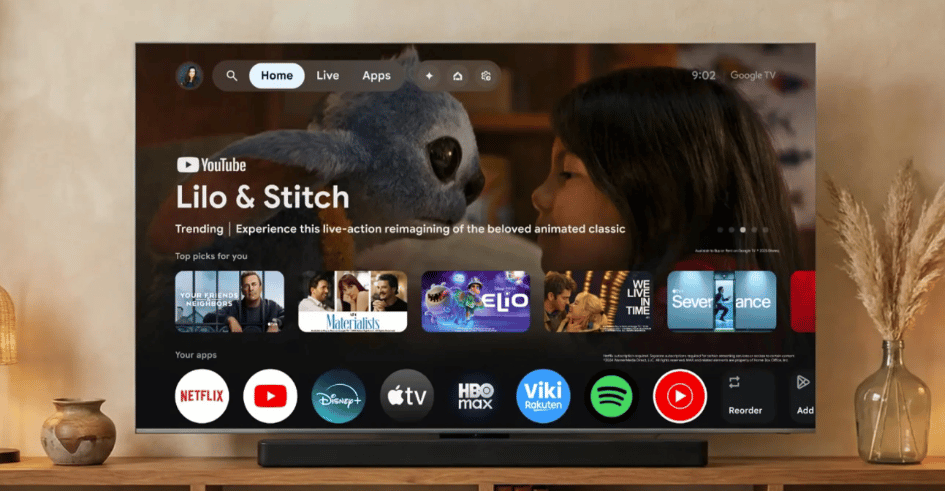
At CES 2026, Google previewed a suite of Gemini AI enhancements for Google TV that aim to redefine how we interact with television content and system settings. Instead of scrolling through menus or switching devices, users will soon be able to use conversational language to search for shows, ask deep questions about topics, or even adjust picture and sound levels by simply speaking naturally — for example, saying “make the screen brighter” or “turn up the dialogue” without leaving the content they’re watching. Gemini can also surface rich visuals, imagery, and video content in responses, making search results more engaging on big screens. Additionally, it will integrate personal media functions like querying Google Photos to find specific memories and remix them into slideshows or artistic creations. Initially rolling out on select TCL Google TV hardware, these AI features are expected to expand to more TV brands and models over the coming months.

At CES 2026, The Lego Group revealed a bold evolution of its iconic toy: Smart Bricks that pack cutting-edge technology into the familiar 2×4 block form factor. These new bricks include embedded sensors, LEDs, sound elements, Bluetooth mesh networking, motion detection, and custom chips — all designed to bring interactive play to life without needing a screen. The Smart Bricks respond to movement, tags, and connected elements within specially designed sets, triggering immersive effects like lightsaber hums or engine roars when paired with appropriate LEGO figures or tiles. Lego positions this launch as its most significant advancement in nearly 50 years, aimed at bridging traditional build-and-play experiences with digital interactivity. These bricks are engineered to integrate seamlessly into existing Lego ecosystems, enabling builders to innovate on both classic and themed sets. The first Smart Brick product bundles — including licensed Star Wars models — are slated for release in March 2026, marking a new chapter in hands-on educational and imaginative play.

During CES 2026, Dell expanded its UltraSharp lineup with a massive 52-inch curved Thunderbolt Hub Monitor, featuring a 6K (6144 × 2560) ultrawide resolution and a 120 Hz refresh rate. Designed for productivity-focused professionals, this display can substitute complex multi-monitor setups by partitioning the screen into multiple workspaces and supporting up to four simultaneous input sources. The integrated Thunderbolt 4 hub delivers up to 140 W of power to connected laptops and provides extensive connectivity — including HDMI 2.1, DisplayPort 1.4, USB-C, USB-A, and 2.5 GbE Ethernet — effectively turning the giant screen into a central docking station. Its IPS Black panel technology enhances contrast and color while offering TÜV-certified eye comfort for long work sessions. Dell envisions this display as ideal for fields like engineering, finance, data analytics, design, and executive workflows where expansive screen real estate and high throughput are critical. Availability and pricing details align with Dell’s usual pro-segment strategy, making this one of the standout hardware debuts of CES 2026.
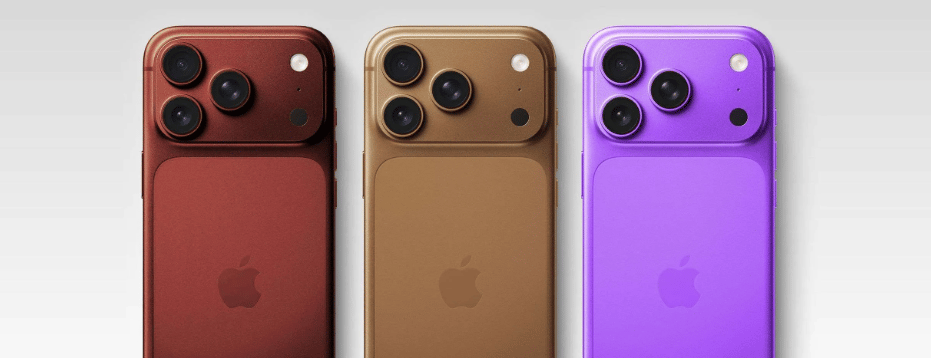
Despite recurring rumors about Apple potentially equipping future iPhones with 200-megapixel camera sensors, credible supply-chain sources say no active engineering prototype currently integrates such a high-resolution module. According to notable leakers familiar with Apple’s internal testing pipeline, while a 200MP sensor is being discussed and evaluated at the component level, it has not yet progressed to prototype devices undergoing full camera testing. Instead, Apple’s immediate camera improvements for upcoming models remain focused on variants of its existing 48-megapixel systems, which may include enhancements like variable apertures and larger telephoto optics to boost low-light performance and zoom quality. The alleged 200MP sensor exploration is believed to be part of longer-term planning — potentially targeting future iPhone generations beyond 2026 — rather than imminent releases. Sampling and feasibility studies typically precede any real prototype phase, suggesting that while Apple engineers may be researching ultra-high-resolution imaging, widespread adoption of a 200MP sensor remains speculative and distant.

Chinese regulatory authorities have initiated a review of Meta Platforms’ acquisition of AI startup Manus, examining whether the deal complies with the country’s export control and technology transfer regulations. The transaction — reportedly valued between $2 billion and $3 billion — involved relocating Manus’ staff and intellectual property out of China, where the AI firm was originally founded before shifting operations to Singapore. Chinese officials are considering whether this cross-border movement of advanced AI technologies should have required specific export permissions under domestic policy, which seeks to regulate sensitive tech flows and safeguard national competitive capabilities. This scrutiny highlights broader geopolitical and regulatory tensions in the global AI ecosystem, as nations grapple with how to manage foreign investments in frontier technologies. It also reflects China’s tightening oversight of high-tech sectors and its desire to balance openness with strategic control amid intensifying international competition in AI research and commercialization. The review could influence how future large-scale technology acquisitions are structured and approved.
If today’s issue added value to your day, I’d love for you to stay subscribed. And if you know someone who enjoys thoughtful tech insights, feel free to forward this or share it with them. Every referral helps this newsletter grow naturally. Thanks for spending a few minutes with me—see you in the next issue.