- Technology Insights Daily
- Posts
- Google Maps Adds Long-Awaited Feature for iOS Drivers — Auto Detects Parked Car Location
Google Maps Adds Long-Awaited Feature for iOS Drivers — Auto Detects Parked Car Location

Technology Insights Daily
December 19, 2025

Somewhere between chasing breaking news and endless timelines, I realized most tech updates don’t actually help us think better. So every day, I slow things down and ask: what’s worth knowing — and what can be ignored? TechnologyInsightsDaily is the result of that habit. It’s how I personally track Apple, AI, and the quiet shifts shaping our digital future, then share only what’s truly useful. If you value signal over noise, welcome — you’re exactly who I write this for.
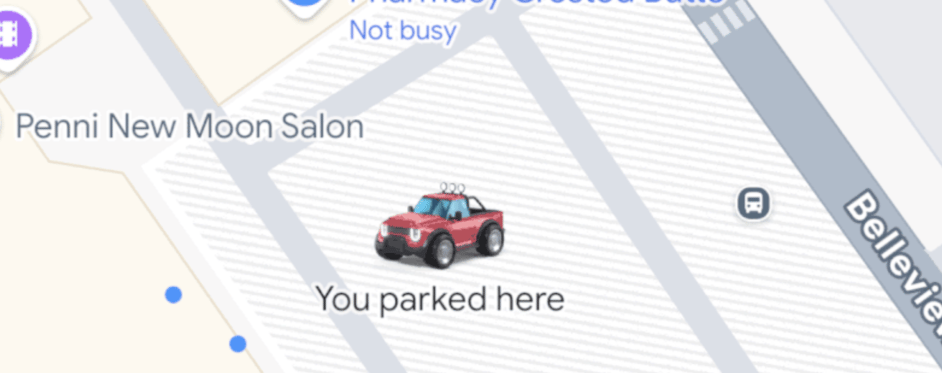
Google Maps has quietly introduced a highly useful update for iOS users that automatically detects and saves where you parked your car without any manual input. Previously, drivers had to tap a button to save a parking spot, but the new feature works behind the scenes: once the app senses your trip has ended and you disconnect from your car via USB, Bluetooth, or CarPlay, it drops a pin on the map for you. That saved parking location stays visible for up to 48 hours or until you start driving again, reducing the frustration of wandering around large lots or unfamiliar streets trying to find your car. Google also now uses custom vehicle icons as the parking marker for a more personalized experience. For many drivers, especially in busy cities, this update significantly streamlines everyday navigation and makes Google Maps feel smarter and more intuitive.
This week, some Apple users encountered trouble accessing Apple Music and Apple TV services due to brief outages affecting streaming and playback. According to Apple’s System Status page, both services — along with Game Center — showed interruptions, preventing some subscribers from streaming audio tracks, music videos, shows, or movies during the affected period. Outages appeared sporadic and regionally dispersed, meaning not all users were impacted. Apple’s status page later indicated that the issues were resolved, and service returned to normal. While temporary outages are not uncommon for major online platforms, even short disruptions can frustrate subscribers who rely on these services for daily entertainment. These events remind us that cloud-dependent services still hinge on backend stability and infrastructure resilience, especially during peak usage times. Apple generally doesn’t provide detailed explanations for brief outages, but monitoring tools like the System Status page give real-time insight into service health for users and developers alike.

In Washington, D.C., Apple CEO Tim Cook has stepped in to push back against a proposed U.S. law that would mandate app stores verify the age of users and obtain parental consent before children under 16 can download apps. Known as the App Store Accountability Act, the legislation aims to protect children online by forcing Apple and others to confirm age using official methods and secure parental approval for minors’ downloads. Cook’s concern is that enforcing age verification this way could require collecting sensitive personal data — such as IDs — and could undermine user privacy at scale. Instead, Apple advocates for parent-driven family settings and existing parental controls that let guardians manage children’s access without harvesting detailed personal information. The debate reflects broader tensions between lawmakers seeking stronger protections for children and technology companies that want to balance safety with privacy and user experience.
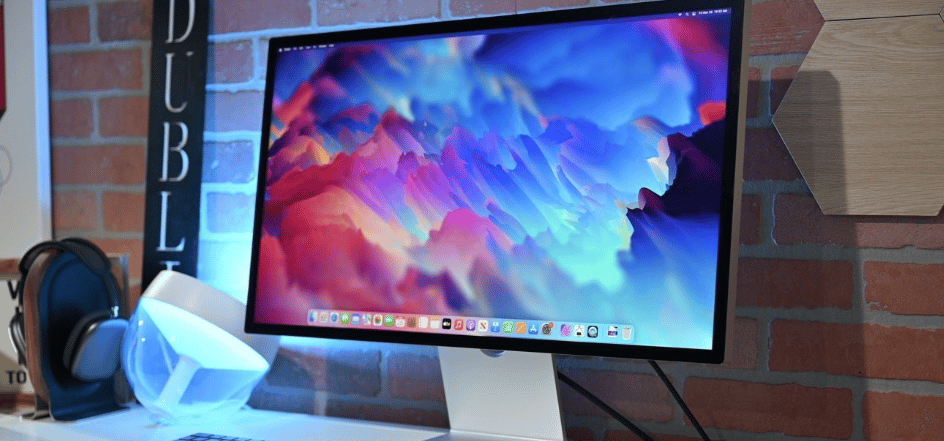
There’s growing buzz around a next-generation Apple Studio Display headed for release, featuring major upgrades that would bring it closer to modern professional-grade monitors. According to recent industry leaks, the updated Studio Display is expected to include three headline enhancements: Apple’s A19 chip under the hood, ProMotion variable refresh rate up to 120Hz, and HDR support. If realized, these changes would represent a significant leap over the current model, which is capped at a 60Hz refresh rate and lacks immersive HDR capabilities. The inclusion of Apple silicon — possibly the same chip family used in the latest iPhones and iPads — could enable more on-device processing for features like enhanced video workflows, smoother UI animations, and possibly new display modes for creatives. HDR support would improve contrast and brightness representation for photo and video editing, making the display more appealing to professionals currently comparing it to higher-end alternatives.
Leaked internal code and industry analysis are painting a clearer picture of what the next Apple Studio Display might offer. Sources point to the display gaining a 120Hz ProMotion refresh rate, full HDR support, and an integrated A19 chip — a configuration that would elevate it beyond the original’s relatively modest 60Hz panel. ProMotion’s variable refresh technology, familiar from Apple’s iPad Pro and MacBook Pro models, allows for smoother motion in UI interactions and animation, which is especially helpful for creative professionals and developers. HDR expands the display’s dynamic range, improving highlights and shadows in supported content. The addition of an Apple silicon chip on the display itself could unlock new on-device processing capabilities such as realtime calibration and advanced feature enhancements. Together, these spec upgrades suggest Apple is targeting a more demanding pro market and closing the gap with high-end external monitors from competitors.
If this issue helped you save time or see tech from a clearer angle, I’d love your support. A paid subscription keeps this newsletter independent and unlocks deeper insights you won’t find elsewhere. Not ready yet? You can still help by forwarding this issue, sharing it with a friend, or referring someone who loves smart tech reads. This community grows one thoughtful reader at a time — thank you for being part of it.