- Technology Insights Daily
- Posts
- Instagram Launches New Public Stories Sharing Feature
Instagram Launches New Public Stories Sharing Feature

Technology Insights Daily
December 17, 2025
In partnership with



Join over 4 million Americans who start their day with 1440 – your daily digest for unbiased, fact-centric news. From politics to sports, we cover it all by analyzing over 100 sources. Our concise, 5-minute read lands in your inbox each morning at no cost. Experience news without the noise; let 1440 help you make up your own mind. Sign up now and invite your friends and family to be part of the informed.
I still remember when keeping up with tech felt exciting, not exhausting. Somewhere between endless updates and breaking news alerts, that feeling got lost. TechnologyInsightsDaily is my way of bringing it back — one calm, focused read at a time. Each issue is how I personally stay on top of Apple, AI, and the shifts that actually matter, without drowning in noise. If you want clarity instead of clickbait, and insight instead of overwhelm, you’re in the right place.

Instagram is rolling out a new feature that lets users share other people’s publicly posted Stories directly to their own feed or profile — expanding the ways content travels across the platform. Previously, Story content could only be shared privately via direct message or reshared with restrictions; this update broadens visibility and social engagement by making it easier to highlight moments from creators you follow or discover. The idea is to make Stories feel more like a cross-platform content format, letting interesting snapshots or timely clips gain wider exposure without reposting them manually. Instagram has been experimenting with features that bridge ephemeral content (Stories) with more persistent posts, aiming to keep users engaged and create fresh opportunities for creators to reach broader audiences. Given Meta’s broader focus on interactive and discovery-friendly tools, this change fits into a larger strategy of blending short-format, real-time engagement with long-term visibility.

iFixit, the widely known online repair guide and parts platform, has launched its long-awaited mobile app for both iOS and Android, bringing DIY electronics repair tools to your pocket. At the heart of the app is an AI assistant called FixBot, trained on iFixit’s massive library of community-verified repair guides and manuals, which helps diagnose problems and guide users through step-by-step instructions. Users can describe issues by voice or text and even upload images to get specific repair suggestions. Beyond AI assistance, the app includes features such as a battery health predictor and a workbench that tracks ongoing repairs. This release marks a major milestone in iFixit’s mission to empower users to extend the life of their devices, potentially reducing e-waste and repair costs. Built on years of accumulated teardown and repair data, the app aims to make electronics troubleshooting smarter and more accessible than sifting through scattered online guides.

OpenAI CEO Sam Altman has publicly reframed the tech landscape, stating that Apple — not Google — should be viewed as OpenAI’s primary long-term rival in artificial intelligence. While Google and its Gemini AI models have traditionally been seen as the chief competitor due to search, cloud AI services, and mobile ecosystem reach, Altman suggests the real battleground will be devices and integrated user experiences. Apple’s advantage lies in its tightly controlled hardware and software ecosystem, with over two billion active devices worldwide, giving it a uniquely powerful platform for deploying AI technologies directly into everyday life. Altman’s remarks reflect OpenAI’s strategic assessment that merely competing at the model level is not enough — controlling the devices where people interact with AI matters just as much. This position highlights how competition in AI is evolving beyond raw model performance to encompass hardware, privacy, distribution channels, and user trust — areas where Apple’s strong brand and ecosystem could be a formidable challenge.
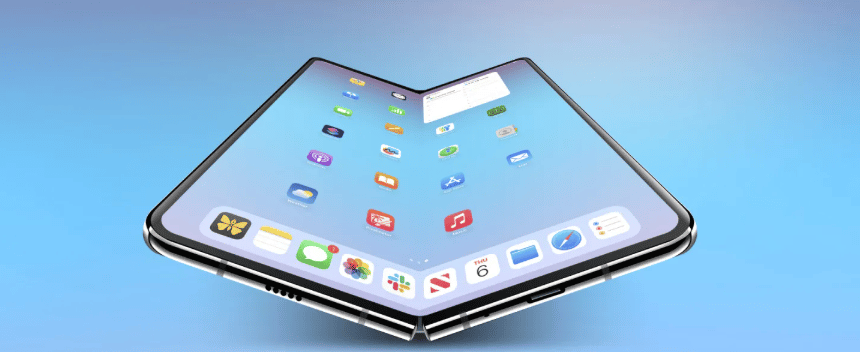
Apple’s much-anticipated foldable iPhone appears to be moving closer to reality, with reports indicating that production plans have expanded well beyond initial expectations. According to industry sources, the first generation of Apple’s foldable iPhone — expected to launch alongside the iPhone 18 lineup — is now projected to have component orders and production targets in the double-digit millions, significantly larger than early predictions. This shift suggests confidence from Apple and its supply chain that demand for a premium foldable device could be strong, and that the company wants to hit the ground running. The foldable device is rumored to feature an inward-folding design with both an external cover screen and a larger internal panel, optimized to minimize creasing and deliver a premium experience. Apple’s entry into the foldable category could reshape the broader premium smartphone market and accelerate mainstream adoption of foldables, drawing consumer interest that has historically hovered below mainstream levels.
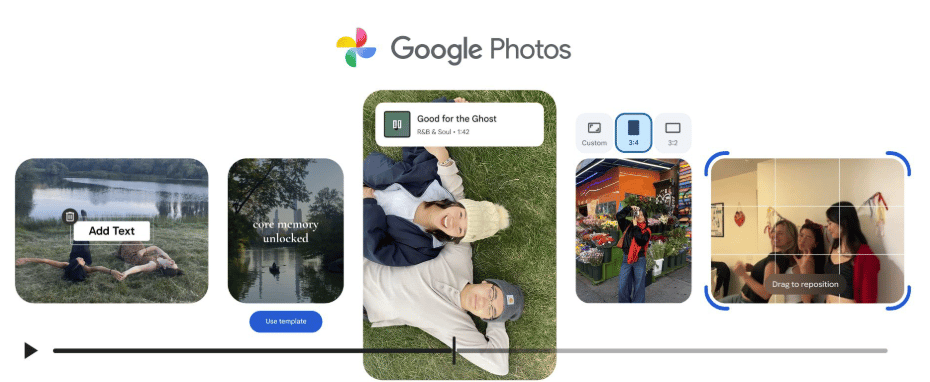
Google Photos is rolling out a major redesign of its video editing tools on iOS, transforming the app into a more intuitive and capable multimedia editor. The redesigned editor introduces a universal timeline that makes trimming, rearranging, and storytelling workflows smoother and more natural, especially for multi-clip videos. Editing tools are reorganized so users can find key features like music overlays, creative filters, and sequencing controls without digging through menus. The interface update is aimed at casual and power users alike, allowing quick highlight creation from trips or events while providing deeper controls for those who want to fine-tune their clips. On both iOS and Android, Google Photos is positioning itself as a legitimate alternative to third-party editors, with streamlined workflows that take advantage of Material You aesthetics and easier access to soundtracks and text overlays. This shift reflects Google’s broader push to make Photos not just a backup tool, but a one-stop space for basic content creation.
If today’s issue helped you see tech a little more clearly, that means everything to me.
A paid subscription unlocks deeper insights and helps keep this newsletter independent and ad-light. If upgrading isn’t for you yet, you can still support the work by forwarding this issue, sharing it with a friend, or inviting someone curious about tech to subscribe. Thoughtful readers like you are what make this possible.