- Technology Insights Daily
- Posts
- No need to buy AirPods — Google Translate’s live voice translation supports any headphones and 70+ languages
No need to buy AirPods — Google Translate’s live voice translation supports any headphones and 70+ languages

Technology Insights Daily
December 22, 2025
In partnership with


Receive Honest News Today

Join over 4 million Americans who start their day with 1440 – your daily digest for unbiased, fact-centric news. From politics to sports, we cover it all by analyzing over 100 sources. Our concise, 5-minute read lands in your inbox each morning at no cost. Experience news without the noise; let 1440 help you make up your own mind. Sign up now and invite your friends and family to be part of the informed.
Every morning, I open my laptop with one simple question: what actually matters in tech today?
Not the noise. Not the hype. Just the updates that genuinely shape how we work, invest, and live.
TechnologyInsightsDaily was born from my own habit of filtering dozens of sources so I could stay ahead without feeling overwhelmed. If you care about AI, software, cybersecurity, and emerging tech—but value clarity over clutter—you’re in the right place. Let’s make sense of the future together, one insight at a time.
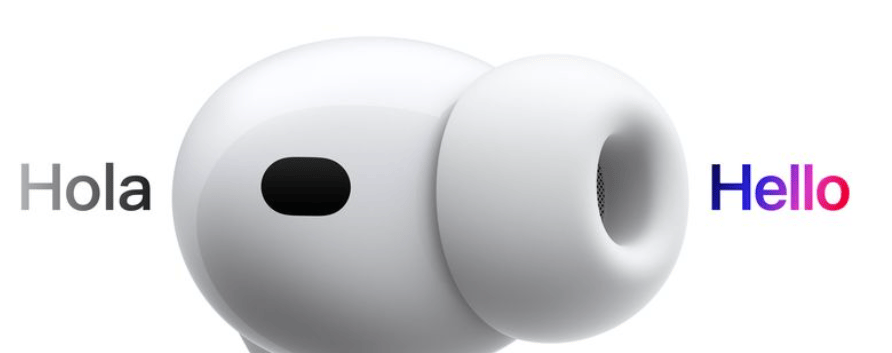
Google has introduced a major update to the Google Translate app that makes real-time voice translation far more accessible. Instead of forcing users to buy specific hardware like AirPods to hear translations, the new system works with any headphones equipped with a microphone. The key innovation is leveraging Google’s Gemini AI to process live spoken language and deliver translated speech directly to your connected headset. This feature currently supports more than 70 languages, covering a broad range of global communication needs. What’s particularly compelling is how this could change travel, meetings, and language learning — you simply put on your earphones, speak or listen, and get near-instant translations without looking at your phone screen. Google plans to expand support to more regions and devices, including iOS, next year, making language barriers much less intimidating.
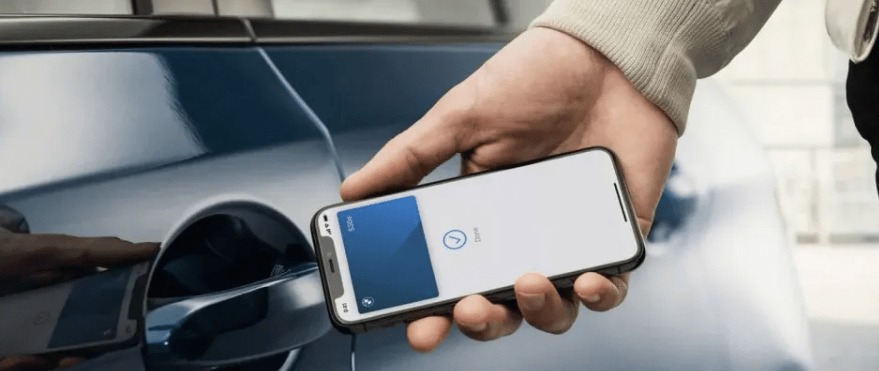
Toyota appears set to join the growing list of automakers adopting Apple Car Keys, allowing drivers to use their iPhone or Apple Watch to unlock and start compatible vehicles. This capability stores a digital key in Apple Wallet, so you can simply hold your device near the car’s NFC reader instead of using a traditional metal key. While Toyota has offered its own digital key feature for some time, integrating Apple’s system could make life easier for iPhone users and boost convenience for vehicle owners who already use Apple’s ecosystem daily. Details such as which Toyota models and markets will get support first haven’t been officially confirmed, but evidence suggests the backend systems are already enabled and ready for rollout. This move would align Toyota with other brands that already support digital keys, making physical keys increasingly obsolete.

As Apple approaches the 20th anniversary of the original iPhone, reports suggest the company is preparing a radically redesigned flagship device with a fully bezel-less display. This means minimal or no visible borders around the screen, potentially integrating Face ID and front cameras beneath the panel itself for a seamless look. Suppliers like LG Display are reportedly pushing forward with new production lines capable of manufacturing these advanced OLED panels, indicating that mass production might start soon in preparation for an upcoming launch. If successful, this design would mark one of the biggest visual shifts in the iPhone’s history, replacing even the slim bezels seen on modern models. This anniversary edition could symbolize two decades of smartphone evolution and set fresh expectations for premium handset aesthetics.

Amazon has rolled out a new AI-powered assistant inside the Kindle app that lets readers ask questions about the books they’re reading. Called Ask This Book, this feature lets you highlight text or simply pose a question about the plot, character motivations, relationships, or themes, and the AI will generate thoughtful, context-aware answers. What sets it apart from generic summaries or search results is its ability to tailor responses based on where you are in the book — helping avoid spoilers and keeping the experience personal to your reading progress. This kind of smart companion aims to deepen engagement with narratives, especially for complex stories with many characters or layered themes. Initially available on iOS in the U.S., Amazon is expected to expand it to Android and Kindle e-readers down the line.
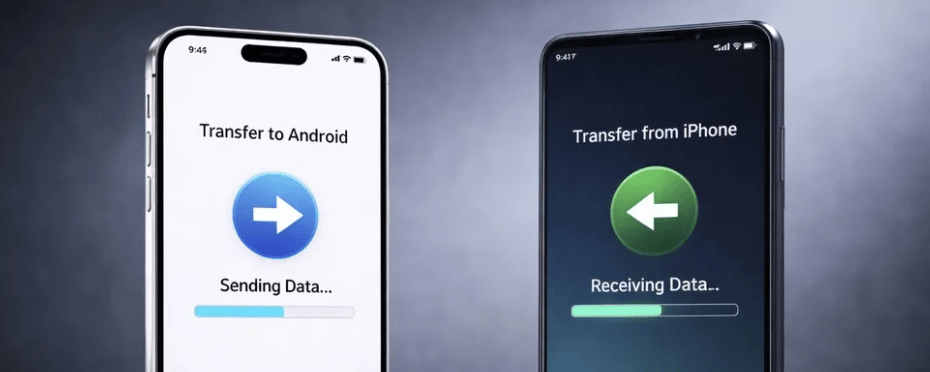
With iOS 26.3, Apple is introducing a new set of tools aimed at making it easier to switch from an iPhone to an Android device, a notoriously tricky process until now. Instead of relying on separate apps or manual workarounds, users can initiate a direct data transfer by placing their iPhone next to their new Android phone. This streamlined method supports moving contacts, photos, messages, notes, apps, and more without third-party software, using Wi-Fi and Bluetooth to handle the connection securely. While some items like health data or specific protected content might not transfer, the bulk of personal data can migrate smoothly. This represents a significant shift in Apple’s approach, acknowledging that users may choose to leave the iOS ecosystem but still want a hassle-free transition that doesn’t require technical expertise.
If today’s insights helped you see tech a little more clearly, imagine what you’d gain with full access.
Becoming a subscriber helps me keep this newsletter independent, curious, and focused on what truly matters—not clickbait.
👉 Subscribe to support daily deep dives
👉 Forward this to a friend who loves tech
👉 Share it with someone who hates information overload
Your support keeps this conversation going—and I’m grateful you’re part of it.