- Technology Insights Daily
- Posts
- WhatsApp Web to Get Group Voice & Video Calls Supporting up to 32 People
WhatsApp Web to Get Group Voice & Video Calls Supporting up to 32 People

Technology Insights Daily
January 26, 2026
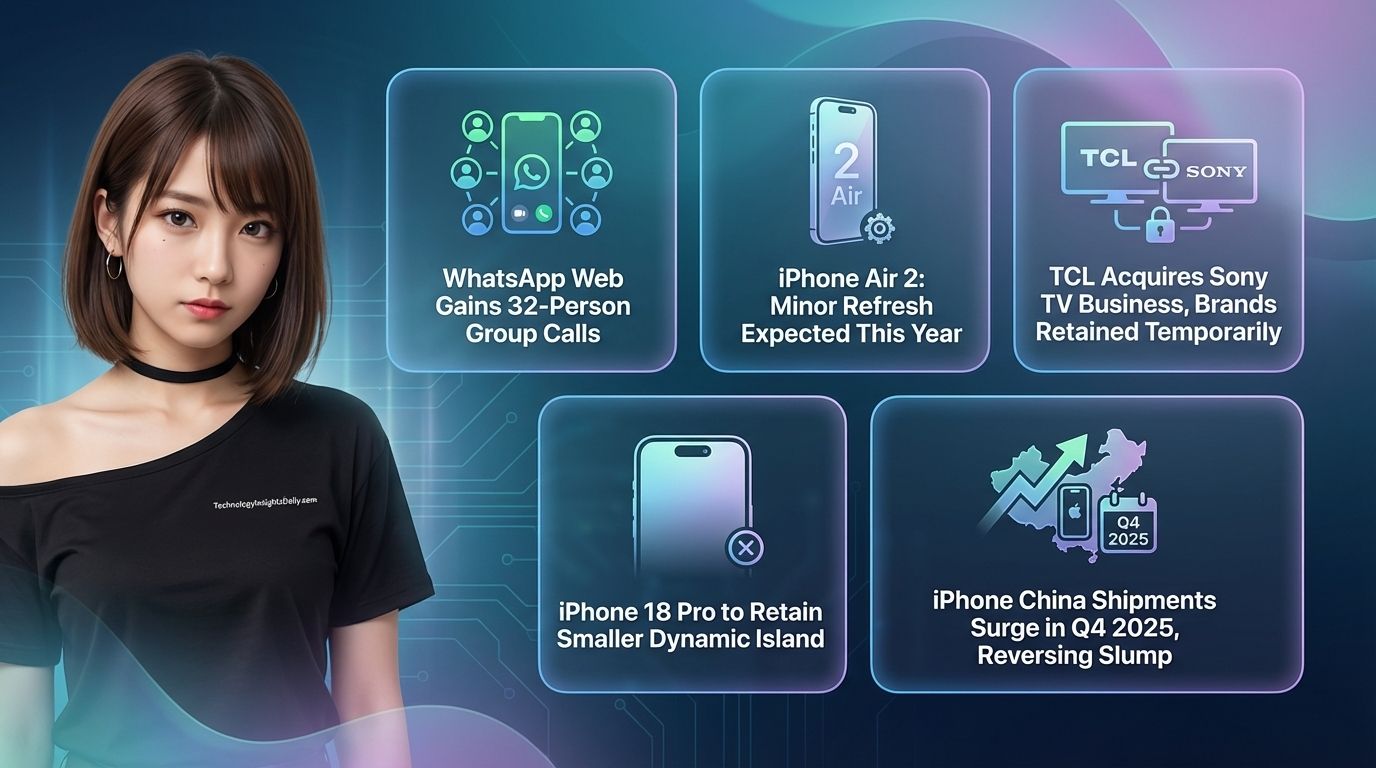
Every morning, before the noise of meetings and notifications kicks in, I sit down and ask one simple question: what tech story actually matters today?
Not hype. Not noise. Just the signals shaping how we work, invest, and live.
That’s why TechnologyInsightsDaily exists. In a world moving faster than ever, this is your calm, focused briefing—AI shifts, big tech moves, and smart insights you can use today.
If you like staying ahead without feeling overwhelmed, you’re in the right place.

WhatsApp is finally bringing full group voice and video call support to its web interface, a feature long available on mobile but absent from browsers until now. According to recent announcements, the web version will let users participate in calls with up to 32 people, bringing it on par with the mobile app and making it a much more capable tool for teams, friends, and families who prefer working or socializing from laptops or desktops. The update also promises features like call scheduling and group call links, which aim to make group communication smoother and more integrated across devices. This move is part of Meta’s broader strategy to reduce the gap between mobile and web functionality, giving users more flexibility without needing native software. As remote work and hybrid collaboration continue to grow, this enhancement could make WhatsApp Web a more viable option for larger and more formal group discussions
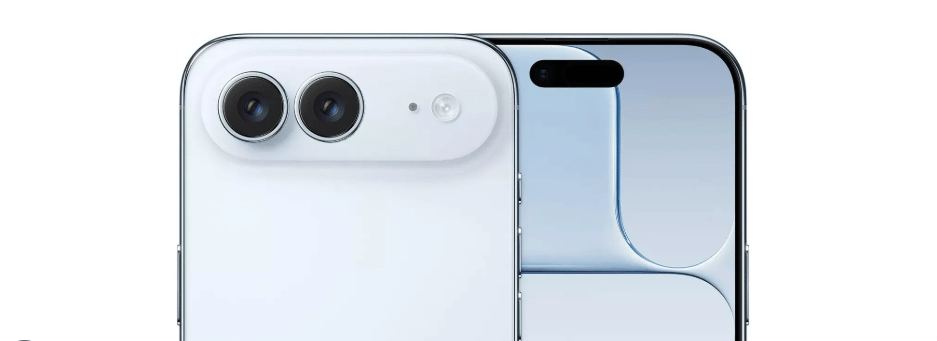
Recent leaks suggest that Apple may release a second-generation iPhone Air later this year, though it’s expected to bring only minimal changes compared to the current model. While earlier rumors pointed to a possible delay until 2027, supply chain feedback and leakers on Chinese social platforms argue that Apple is pushing ahead with a routine update targeted for a fall launch. The next Air is thought to retain the core design and philosophy of the original: thin, light, and positioned between the standard iPhone and the Pro lineup. Expectations are that updates could include efficiency improvements from a newer chipset and possibly subtle adjustments to cameras or battery performance, but there’s no sign of a major redesign or flagship-level upgrades. If true, this approach reflects Apple’s cautious strategy for the Air series, aiming to maintain relevance with incremental enhancements rather than headline-grabbing changes.

Sony is restructuring its television and home entertainment operations by spinning off its TV business into a new joint venture with TCL, the Chinese electronics manufacturer. Under the deal, TCL will hold a 51% controlling stake, while Sony retains 49% ownership. The move signals Sony’s shift away from managing TV hardware independently, instead leveraging TCL’s strong manufacturing scale and global distribution capabilities. Despite the change in operational control, both the Sony and Bravia brands will remain intact, an effort to preserve decades of brand equity and reassure consumers. Sony’s strengths in image processing and premium positioning are expected to combine with TCL’s cost efficiencies and display technology prowess. The transition will require regulatory approval and is projected to begin operations in 2027. Industry analysts see this as a pragmatic response to fierce competition in the TV market, where margins have shrunk and rivals have expanded aggressively.
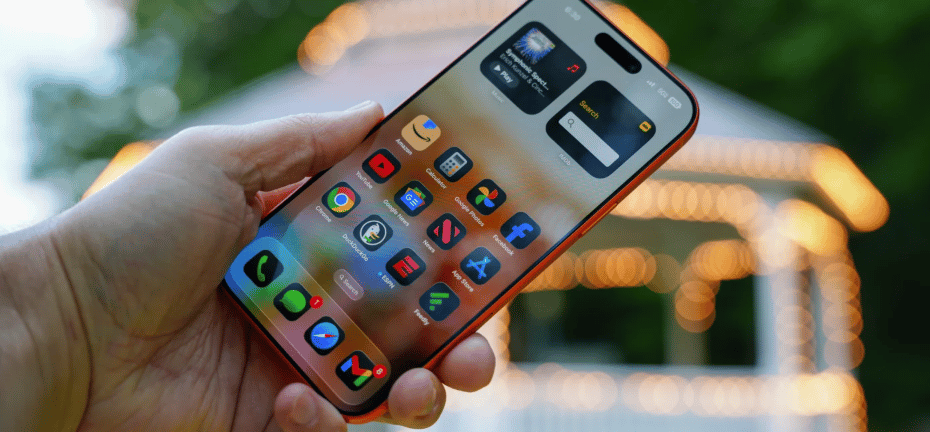
Leaked information about the upcoming iPhone 18 Pro suggests that Apple will stick with a reduced-size Dynamic Island rather than adopting the punch-hole camera design many had anticipated. Earlier reports hinted Apple might relocate front-facing camera elements or move toward a more immersive, under-display setup. However, fresh leaks indicate the company will instead shrink the existing Dynamic Island area, making it significantly smaller than on iPhone 17 Pro models while avoiding the visual disruption of a separate punch hole. The smaller Dynamic Island reportedly maintains Face ID and camera functions without sacrificing screen real estate or user interface gestures. This decision aligns with Apple’s incremental refinement strategy: optimizing what’s already familiar rather than overhauling the front design. For users, it means a subtly cleaner look with the same interactive “island” capabilities for notifications and live activities that Apple introduced in earlier Pro-series models.
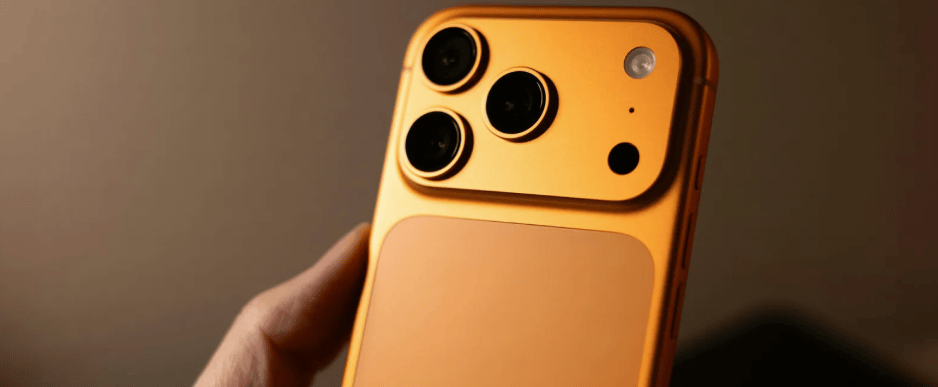
Apple appears to have turned around weak iPhone sales in China, posting a significant shipment increase in the fourth quarter of 2025 after a period of slowing demand. Data from industry analysts reveal Apple not only reclaimed strong momentum but also pushed past key competitors in the world’s largest smartphone market. The rebound is attributed largely to sustained demand for recent iPhone models like the 17 series, competitive pricing dynamics, and China-specific promotions that helped rejuvenate interest among consumers. This marks an important strategic win for Apple, which faced mounting pressure from local brands in recent quarters. The strong late-year performance reportedly boosted Apple’s overall market share in China and also contributed to favorable stock movement, with investors interpreting the figures as a sign of resilience in a challenging environment. The surge highlights Apple’s ability to adapt marketing strategies and maintain relevance even in highly competitive regions
If today’s insights helped you think clearer or see one step ahead, that’s the goal—and it means a lot you’re here reading.
This newsletter grows quietly, one thoughtful reader at a time.
If you know someone who’d enjoy this daily tech edge, feel free to forward this, share it, or invite a friend to subscribe.
Your support helps keep this independent, focused, and ad-light—so I can keep showing up every day with the stories that truly matter.
See you tomorrow 👋