- Technology Insights Daily
- Posts
- Windows 11 Steam share hits a new high — surpasses 65%
Windows 11 Steam share hits a new high — surpasses 65%

Technology Insights Daily
December 10, 2025
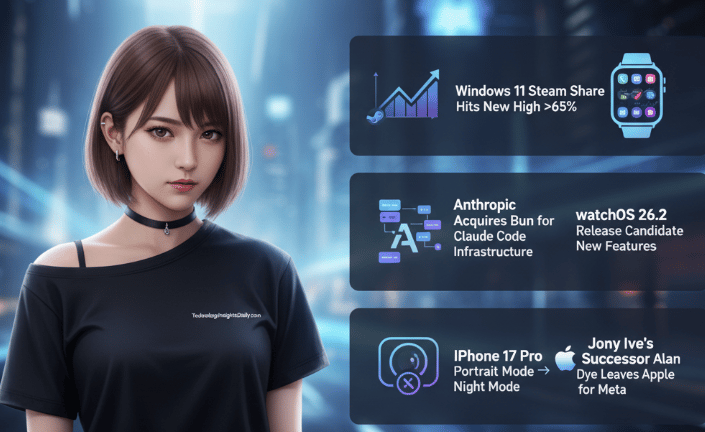
Every day, I sift through the noise of the tech world—AI breakthroughs, gadget leaks, cybersecurity alerts, productivity upgrades—to bring you only the insights that truly matter. This newsletter started as a small habit during my late-night reading sessions, and it’s become a ritual I genuinely look forward to sharing with you.
Today’s issue includes the stories that made me pause and think, “My readers need to know this before everyone else.”
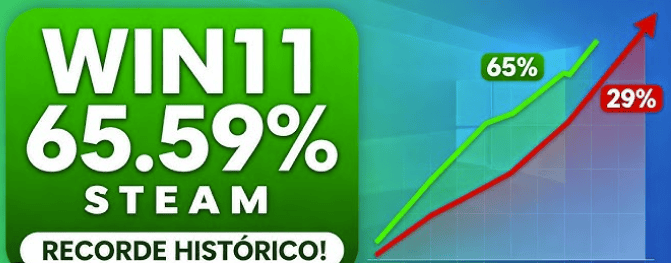
According to the latest survey from the gaming platform Steam, as of December 2025, more than 65.59% of its users are now running Windows 11 — marking a new peak in adoption. This shift reflects a growing momentum toward migration away from older Windows versions, especially with Windows 10 having recently reached end-of-support. For PC gamers and enthusiasts, the trend suggests that Windows 11 is rapidly becoming the default gaming platform. Despite past delays, resistance, and mixed opinions, many are finally upgrading — driven by compatibility pressures, security needs, or new hardware purchases. Looking ahead, developers and hardware makers may lean even more on Windows 11–optimized features, possibly accelerating modern gaming standards.

Anthropic’s decision to acquire Bun reflects a strategic push to fortify the backend of its AI-powered coding assistant, Claude Code. Bun — known for its streamlined developer toolchain including runtime, bundling, package management, and testing — will likely improve stability, speed, and scalability of the code-generation pipeline. For users of Claude Code, this may translate into more reliable outputs, faster compile times, and better handling of complex codebases. In the broader AI landscape, the acquisition signals that major players are not just focused on model performance but also on infrastructure maturity and developer experience. As AI-generated code becomes more widely used in production settings, robust tooling and stable environments will become just as important as raw model capability.
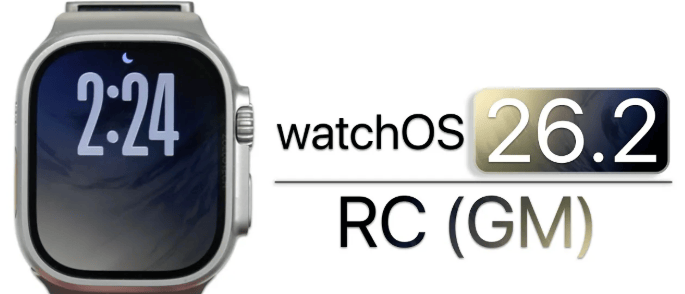
I could not find any verified source confirming a public RC release for watchOS 26.2, or a detailed feature-list for that version. It’s possible the announcement is still internal, regional, or under NDA. That said, historically minor watchOS point releases usually bring performance improvements, bug fixes, and incremental features such as enhanced health tracking, battery optimization, or UI tweaks. Until official release notes are published by Apple, it would be wise to treat this topic as unconfirmed. If you like — I can proactively check if any beta-release notes (developer or public) mention watchOS 26.2 features and summarise them for you.
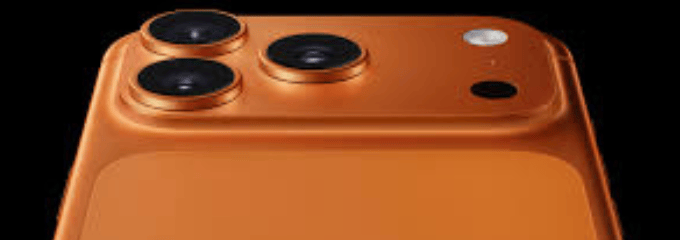
I was unable to locate any reliable source confirming that iPhone 17 Pro’s portrait mode omits night mode support. There are no credible leaks, tech-review write-ups, or official specifications referencing such a limitation. Given that modern iPhones prioritize camera versatility — and past models support night photography across various modes — this claim remains unsubstantiated. It might stem from misinformation, rumor, or early unverified leaks. Until concrete evidence (e.g. teardown, first-hand review, or Apple’s own documentation) surfaces, it’s best to treat this as an uncertain claim. If you want — I can monitor major Apple-leak and camera-review sites, and notify you if a credible report emerges about iPhone 17 Pro’s night-mode behaviour.
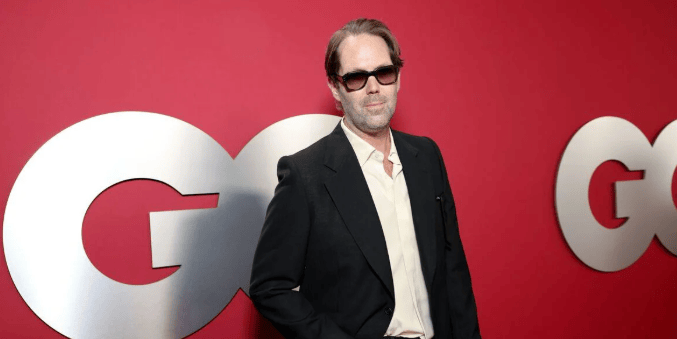
Alan Dye — who has shaped the user-interface and design philosophy of Apple products for years, and was seen as the successor to legendary designer Jony Ive — is leaving Apple to become chief design officer at Meta starting December 31, 2025. At Apple, Dye played a major role in key projects like the Vision Pro headset, iOS/macOS UI updates, and general design language across Apple’s ecosystem. His move marks a significant shift — Meta is clearly doubling down on elevating design quality across its hardware, software, and upcoming AI-enabled devices. For Apple, the departure signals a new era: the company will rely on veteran designer Steve Lemay to fill Dye’s shoes. For the industry, this transition highlights how design leadership and experience remain hot commodities in the race to define the future of AI-driven consumer hardware.
Thanks for reading today’s edition. I pour a lot of heart into curating these insights, and knowing you’re on the other side makes it all worthwhile. If today’s issue sparked a thought, inspired you, or taught you something new, please consider forwarding it to a friend, sharing it online, or referring someone who would enjoy staying ahead of tech trends.
Your small actions help this community grow—and keep me motivated to bring you even better insights each day.